
Los Gatos Dog & Cat Hospital
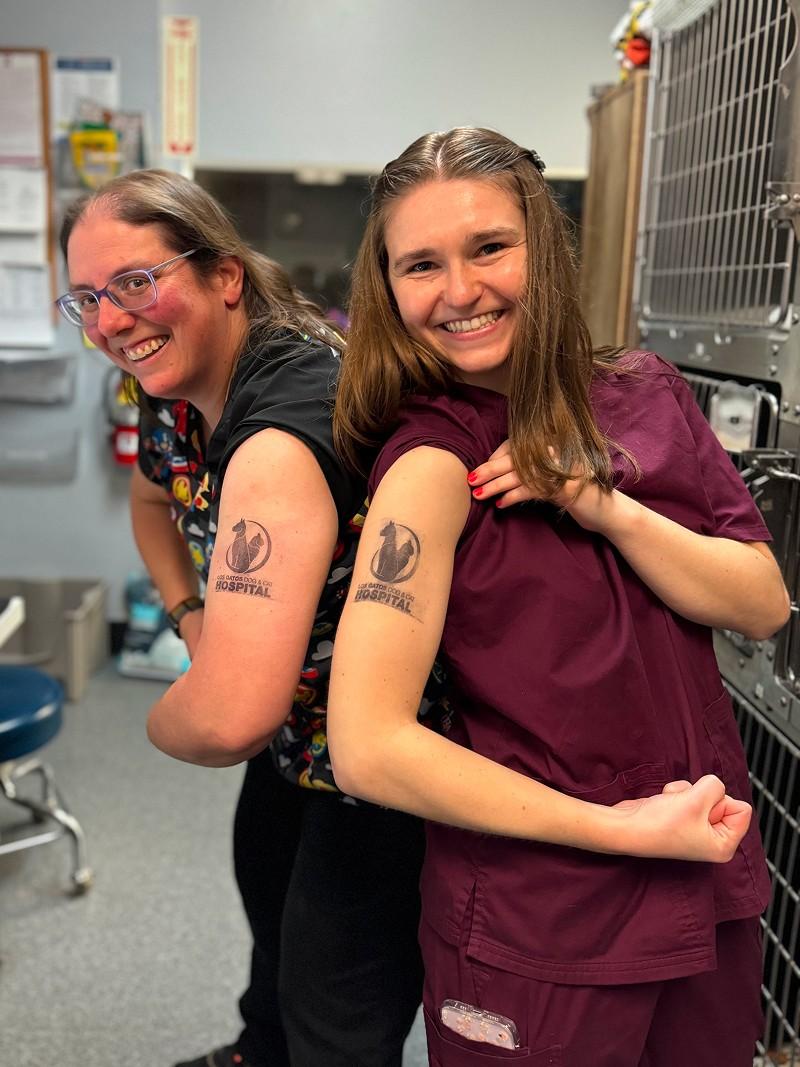
At Los Gatos Dog & Cat Hospital, we’ve been proudly serving the pets and families of our community since 1947. As a trusted, full-service veterinary hospital in Los Gatos, CA, we blend advanced medicine with compassionate care to support your pet’s health at every stage of life.
Proudly welcoming new clients!
About Los Gatos Dog & Cat Hospital
We’re proud of our long-standing history—and prouder still of the legacy of compassionate, thoughtful care that our hospital upholds. As just one sign of our dedication to excellence, our practice has been AAHA-accredited for over 35 years, a distinction earned by only a small percentage of veterinary clinics nationwide.
Our modern facility offers advanced diagnostic tools, gentle treatment techniques, and a culture of continuous improvement. From your pet’s first visit to their golden years, we’re here to make every experience as stress-free, informative, and effective as possible. For us, that means treating every patient like our own and every pet parent like family.
From routine wellness visits to handling your pet’s surgery, we’re here to make your pet’s care more convenient and defined by compassion—all delivered by a team that you and your pet both can truly trust.
Our Most Popular Veterinary Services
Our services are designed with your pet’s comfort and well-being in mind.

Pet Dental Care
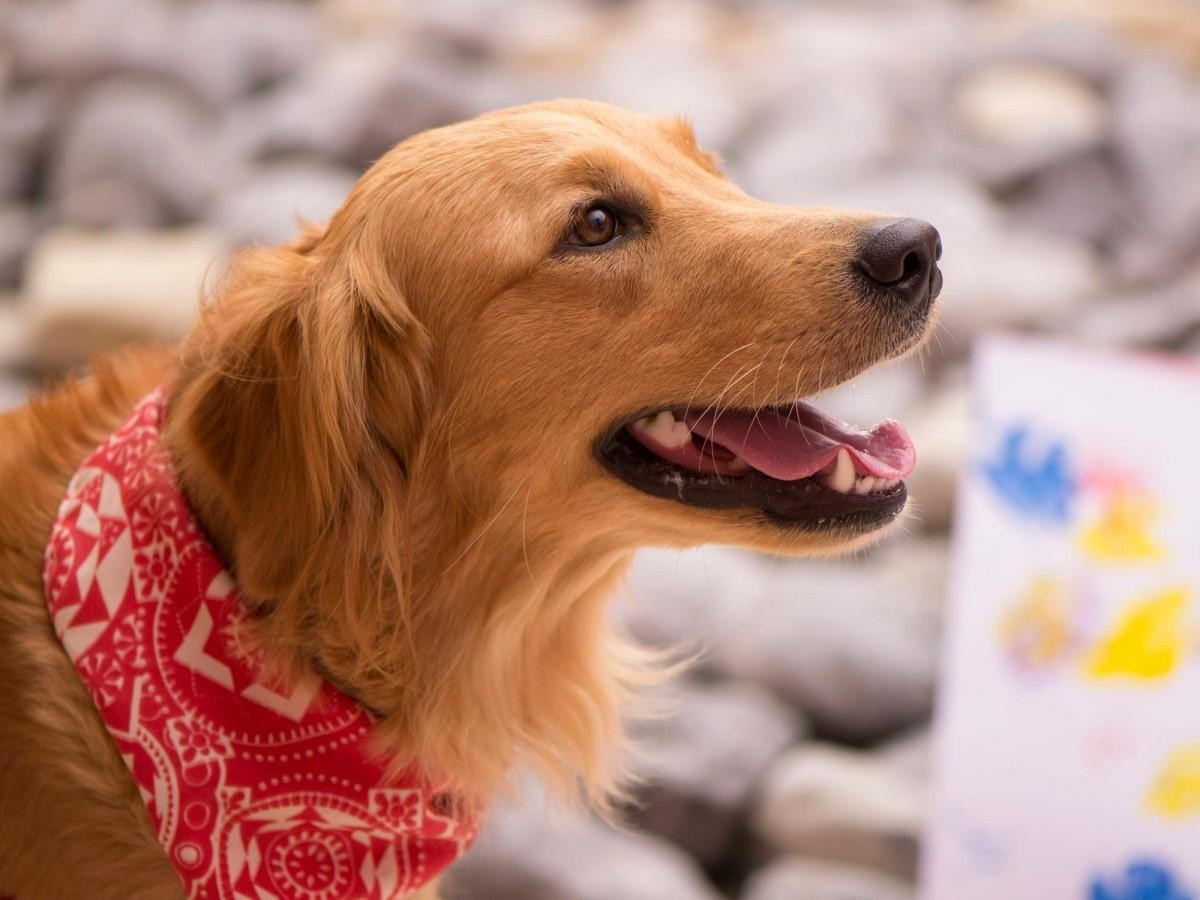
Dental health is essential to overall wellness. Our dental care services include cleanings, extractions, and advanced treatment options to prevent and manage oral disease.

Pet Wellness Exams
We provide comprehensive checkups, vaccinations, and personalized care plans to keep your pet feeling their best and stay ahead of any complications.

Pet Laser Therapy
This non-invasive, drug-free treatment helps relieve pain, reduce inflammation, and speed healing—perfect for post-op recovery, chronic conditions, or pets who need a little extra support.
Meet Our Veterinarians
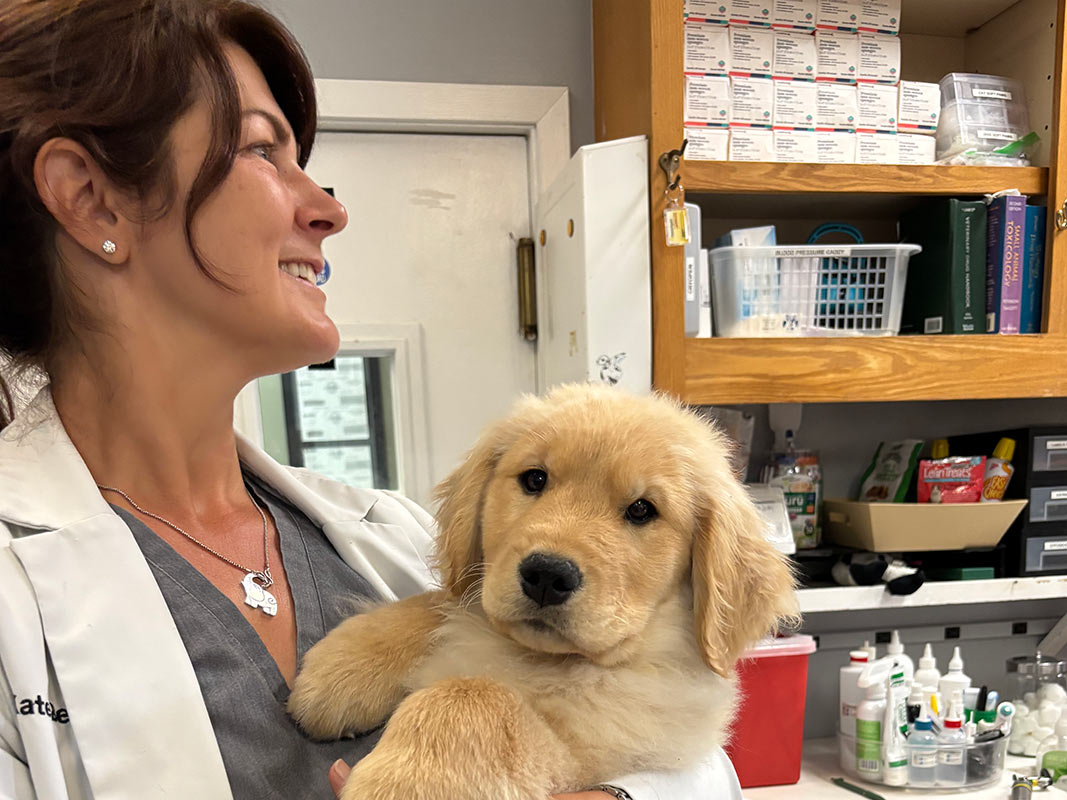
Behind every great pet experience is a caring team. Our veterinarians and support staff are not only highly skilled—they’re also passionate about providing one-on-one attention and tailoring care to each pet’s unique needs.
What Our Clients Are Saying
Our clinic has grown alongside the Los Gatos community for more than 75 years, and we’re honored to be the go-to veterinary hospital for generations of pet lovers. From Campbell to Monte Sereno, families trust us with their pets—and their kind words say it all.
Clair H.